Some conservatories apply the “two disciplines maximum” rule to prevent student overload, while several private institutions encourage enrollment in multiple programs. However, the intersection of artistic practices remains marginal in most schedules, often perceived as incompatible with a balanced lifestyle.
There are systems for sharing schedules, but they remain little known to the general public. Access to an expanded offer often relies on confidential arrangements, partnerships, or discreet exemptions. This fragmented organization hinders access to a diverse artistic program without dedicating all of one’s weekends.
Why the weekend is the ideal time to explore multiple artistic passions
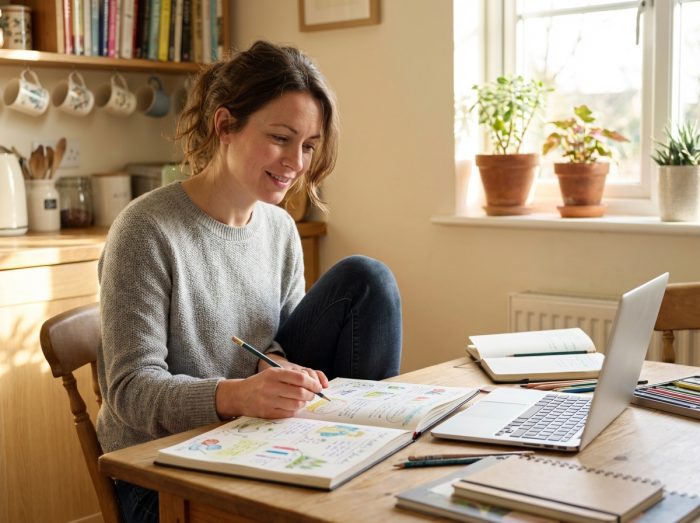
The weekend proves to be fertile ground for the multi-talented artist: the accumulation of free hours paves the way for a breather, outside the professional framework. Far from the constrained pace of the week, Saturday or Sunday become those necessary breaks to engage in multiple artistic activities without pressure or distraction. Painting, watercolor, fiction writing, or drawing, each discipline finds its place in this flexible space-time where the constraints of scheduling fade away.
The diversity of options fuels creativity. Léa Muna, Marie Tétart, and Nathalie Bagadey embody this ability to combine a writing workshop in the morning, a cultural stroll in the afternoon, and then an exhibition or solo concert in the evening. This choice of a protean artistic life does not aim for performance but for balance. The cultural stroll, whose solo practice is clearly on the rise, illustrates this need for discovering heritage and intimate exploration of the city or countryside, among museums, architecture, and fleeting encounters with local history.
Effectively comparing artistic programs thus becomes a necessity to align one’s desires with the reality of one’s schedule. The multiplication of offers, from creative workshops to museum visits, reading, or performances, requires informed decision-making. Engaging in multiple paths without sacrificing one’s weekends relies on agile organization, careful selection, and a strong taste for alternating cultural pleasures. The richness of a weekend dedicated to art lies in this ability to weave connections between disciplines, to allow for variety, without ever imposing exhaustion on oneself.
What obstacles do those who want to combine multiple cultural activities without overloading face?
Organization is the first challenge awaiting enthusiasts. Faced with the abundance of workshops, drawing or painting courses, the multi-talented artist, whether a student, an informed amateur, or a professional, confronts time management. Weekends only have 48 hours, and juggling between continuing education, personal projects, and external requests sometimes feels like tightrope walking.
Choosing an artistic training, whether it’s a group watercolor workshop or a module on writing literary series led by Cécile Duquenne, requires more than just a simple commitment. Steven Pressfield, in The War of Art, reminds us how difficult it can be to maintain consistency in creation without ending up drained. Elizabeth Gilbert, in Big Magic, emphasizes the importance of preserving the initial desire in the face of distraction. With each new discipline comes a phase of adaptation, a learning curve, a renewed need for concentration.
The calendar then becomes a strategic base. Seasoned artists or visual arts students sometimes find themselves having to make tough choices: setting aside a workshop to advance a project, declining an exhibition to enjoy a workshop, postponing a cultural outing in favor of reading time. Cal Newport, in Slow Productivity, encourages paying attention to the value of invested time. Between the richness of paths and the temptation of overload, the line remains thin. It’s the constant balancing act of the versatile artist: enriching one’s journey without dissolving, multiplying experiences without losing oneself along the way.
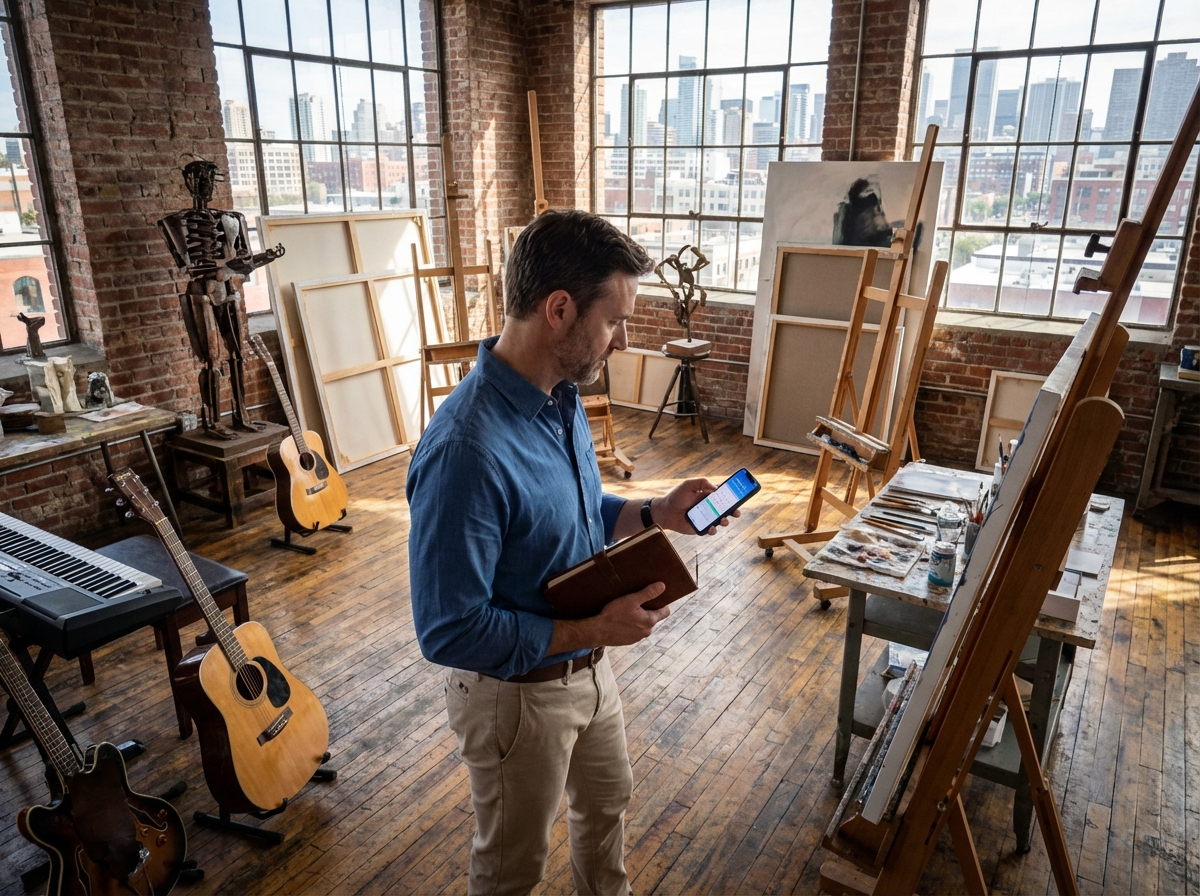
Concrete ideas for enjoying varied artistic events without sacrificing all your free time
Rejecting distraction is the first step to crafting an artistic agenda without letting it overflow. The proposals are plentiful: exhibitions, painting workshops, cultural strolls, solo concerts, performances. But time remains scarce. Thus, it is essential to prioritize the quality of an experience, the uniqueness of an event, or the discovery of a place that calls to you.
Digital formats offer a valuable alternative. Museums, from the Louvre to the Musée d’Orsay, now open their doors virtually. Discovering a collection without leaving home is possible: no more worries about schedules or transportation. Online creative workshops, sketching, fiction writing, watercolor, fit much better into a busy schedule.
Here are some concrete suggestions to vary pleasures without sacrificing your entire weekend:
- Define in advance a short time slot for a specific activity: a one-hour drawing workshop, a virtual exhibition visit, a writing session on Scrivener.
- Structure the weekend by alternating: mornings dedicated to culture, afternoons for a heritage stroll, quiet evenings with a book or a remote concert.
Centralizing organization helps maintain focus. Tools like Notion or Obsidian allow you to jot down desires and prioritize tasks. The complexity of cultural offerings then becomes a managed journey, where each activity finds its place without cannibalizing personal time. Composing with diversity means shaping a weekend in your image, without renouncing discovery or the pleasure of time for oneself. It remains for each person to invent their own rhythm, so that art can enter life without ever overwhelming it.