In France, legislation allows the addition of more than 60 oenological additives in winemaking, while some estates claim to produce wine without chemical intervention. The presence of sulfites does not prevent certain vintages from being considered natural.
Reference guides regularly award medals to wines made from hybrid grape varieties, which were long banned from AOC production. Vintages deemed mediocre upon release sometimes become reliable choices after a few years in the cellar. Food and wine pairing advice continues to evolve, shaking up the traditions and habits of both enthusiasts and professionals.
The Secrets of the Wine World: Origins, Terroirs, and Diversity
Behind each bottle lies a wealth of stories, passed-down gestures, and deliberate choices. The terroirs, shaped by human hands and the rhythm of the climate, create the palette of a deep red or a crystalline white. The diversity of grape varieties forms the foundation of this richness: pinot noir, cabernet franc, cabernet sauvignon for expressive red aromas; chenin blanc, sauvignon blanc for whites with a distinct personality.
Each wine region carries a unique heritage: the gravels of Bordeaux, the clays of Jura, the rolled pebbles of Châteauneuf-du-Pape, the vibrant freshness of the Loire… The estates, in turn, cultivate a unique identity, oscillating between respect for tradition and a desire to innovate. Chardonnay, cabernet sauvignon, merlot, each blend reflects a constant adaptation to the subtleties of soil and climate.
Exploring aromas is like diving into a precise inventory: red fruits, spices, flowers, minerality. The labels, sometimes enigmatic, conceal passionate personalities and the unique character of a vintage. For those who wish to learn more about 75cl info, the ‘Sitemap – 75cl’ page offers a detailed map to navigate this rich and sometimes complex universe. Between the diversity of soils, the winemaker’s touch, and the uniqueness of grape varieties, wine reveals itself as a living witness to the plurality of territories.
How to Choose and Taste a Wine: Practical Tips for Everyone
Initial Guidelines for Amateurs and Experts
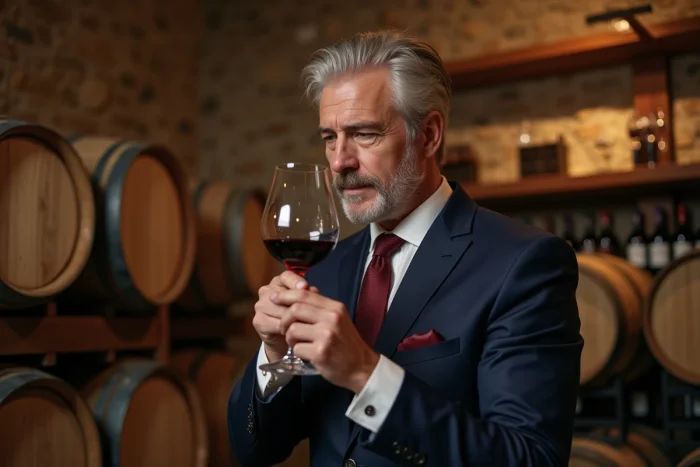
Identifying a suitable wine begins with the eye: the color, whether bright or tile-like, already says a lot about its age and potential. Observing the clarity or intensity of the color anticipates the experience. Once poured into the glass, the nose takes over: sniffing the aromas opens the door to a bouquet of fruits, spices, or flowers. Taking the time to appreciate this first contact refines the tasting and sharpens the pleasure.
Temperature and Service: Decisive Subtleties
The serving temperature alters the perception of wine in the mouth. A slightly chilled red, a white between 8 and 12°C depending on its structure: these details make a difference. Opening a bottle in advance, especially for wines meant to age, allows for the full range of aromas to be expressed. In the cellar as well as on the table, consistency and patience are key: dim lighting, stable temperature, these are the allies of well-preserved wine.
Food and Wine Pairings: The Sought-After Alchemy
Pairing wine with food is about seeking a balance where nothing overpowers, everything harmonizes. A crisp white complements the delicacy of fish, a structured red matches well with meat. Food and wine pairings are reinvented through experiences and tastes, far beyond rigid rules. Being open to new flavors often means experimenting, daring, and listening to oneself.
Here are some simple gestures to refine your tasting:
- Observe the wine’s color in an appropriate glass to understand its nuances.
- Let the wine breathe before tasting, allowing the aromas to evolve and express themselves.
- Note your impressions, training your sensory memory to distinguish subtleties.
Discovering the world of wine also means multiplying readings, sharing with other enthusiasts, and practicing regularly. Tips are gathered through encounters, discussions, and trials, far from dogmas or fixed automatons.
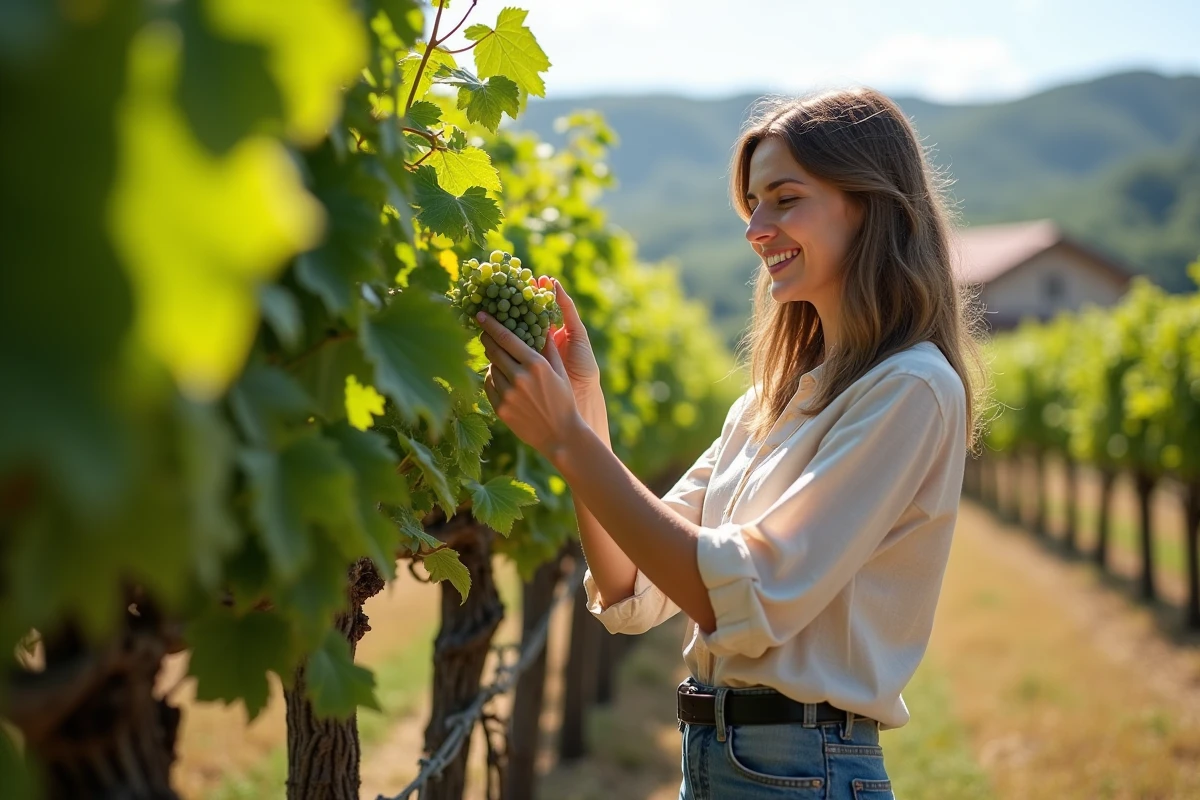
What Trends and News Should Not Be Missed in the Wine World?
Changing Practices, New Trends
The wine sector is undergoing profound renewal. Enthusiasts want meaning, transparency, a story behind each cuvée. In Paris and in the provinces, the enthusiasm for organic, biodynamic, or natural wines remains strong. Winemakers are reducing chemical interventions, rehabilitating forgotten grape varieties, and advocating environmentally friendly methods.
In this dynamic, fairs and tastings are multiplying. They promote exchanges between producers and consumers, highlighting local initiatives and new winemaking approaches. These events, often reported by specialized news, reveal trends, new expectations, and technical advancements.
Among the notable developments, we can mention:
- The rise of sparkling wines outside of Champagne, particularly in Jura or the Loire.
- The remarkable return of orange wine, halfway between white and red, which intrigues and seduces.
- The emergence of non-alcoholic wines and alternative offerings to cater to new lifestyles.
Professionals must also contend with climatic uncertainties, which require innovation to preserve the identity of the terroirs. Adapting practices, rethinking balances, that is the challenge of an industry that continues to reinvent itself. Knowing everything about the world of wine also means capturing these changes on the fly, observing how each generation of winemakers rewrites the possibilities. The next revolution may already be brewing… in the glass you will taste tomorrow.