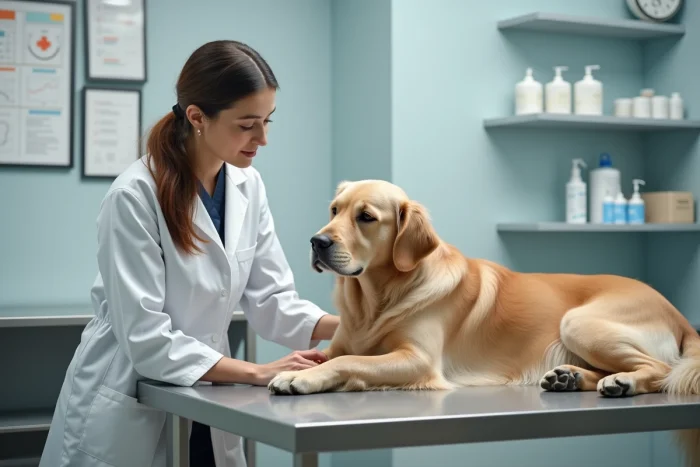
Amazing turnaround: a medication long reserved for humans is now making its way into the veterinary medicine cabinet, shaking up habits and certainties. The prescription of gabapentin in dogs does not stem from a historical veterinary use, but its indication has broadened over the past few years, particularly in the management of chronic or neuropathic pain. Some veterinarians use it in combination with other medications, while its side effects are sometimes poorly anticipated.
Official recommendations require a thorough evaluation of each animal’s profile before any administration, while feedback varies depending on the treated pathologies and individual response. This molecule raises concrete questions about dosage, treatment duration, and monitoring to be adopted.
Gabapentin in dogs: indications, effectiveness, and points of caution
Gradually adopted by veterinarians, gabapentin has carved out a place in the management of neuropathic pain where traditional anti-inflammatories are no longer sufficient. Its effect relies on direct action on voltage-gated calcium channels, altering pain transmission at the level of the central nervous system, spinal cord, and brain. In daily practice, this medication proves useful for supporting dogs with severe osteoarthritis, persistent pain after surgery, or suffering from complex nerve disorders.
In observed cases, a clear improvement in quality of life is noted, provided that a dosing regimen is strictly tailored to the weight, age, and medical context of the animal. The dose is never assigned randomly: it is carefully adjusted, sometimes gradually, to limit any risk of side effects such as excessive sedation or unexpected digestive issues.
That’s not all. The dosing also depends on the dog’s weight and the frequency of administration. In dogs with renal insufficiency, caution is essential: dose adjustment becomes imperative, as does regular monitoring, especially for older animals or those undergoing other treatments. The expression gabapentin for dog reviews and use aptly reflects the complexity of the issue: each prescription requires information on administration methods, expected benefits, and risks if the treatment is prolonged.
The combination with other medications is never trivial. Interactions can amplify certain side effects or, conversely, compromise the treatment’s effectiveness. For each dog, only a personalized strategy allows for optimal pain management, without sacrificing the comfort or safety of the animal.
What are veterinarians’ opinions and advice for appropriate use?
Clinical insights and practical precautions
On the ground, expert opinions are clear: gabapentin for dogs has established itself as a solution for relieving pain of neuropathic origin when other options have failed. Its effectiveness, however, depends on a tailored dosage and careful consideration of the dog’s weight, age, and overall health status.
Here are the recommendations that veterinarians most often emphasize:
- Start with a low dose, then gradually adjust while monitoring the dog’s response.
- Be attentive to the emergence of any potential side effects such as sedation, digestive issues, or ataxia.
- In case of renal insufficiency, consult urgently: the dosing must be reviewed to avoid any risk of drug accumulation.
In all cases, veterinary follow-up remains fundamental. The frequency of administration varies according to the severity of the pain and the tolerance of the animal to the treatment. Regular monitoring allows for dose adjustments or modifications to the interval if necessary. Practitioners emphasize: any change in behavior or the appearance of an unusual symptom must be reported immediately, as they may indicate a reaction to the medication.
Gabapentin has no place in self-medication. Only the veterinarian can decide on its use, based on a precise diagnosis and a comprehensive evaluation of the dog’s profile.
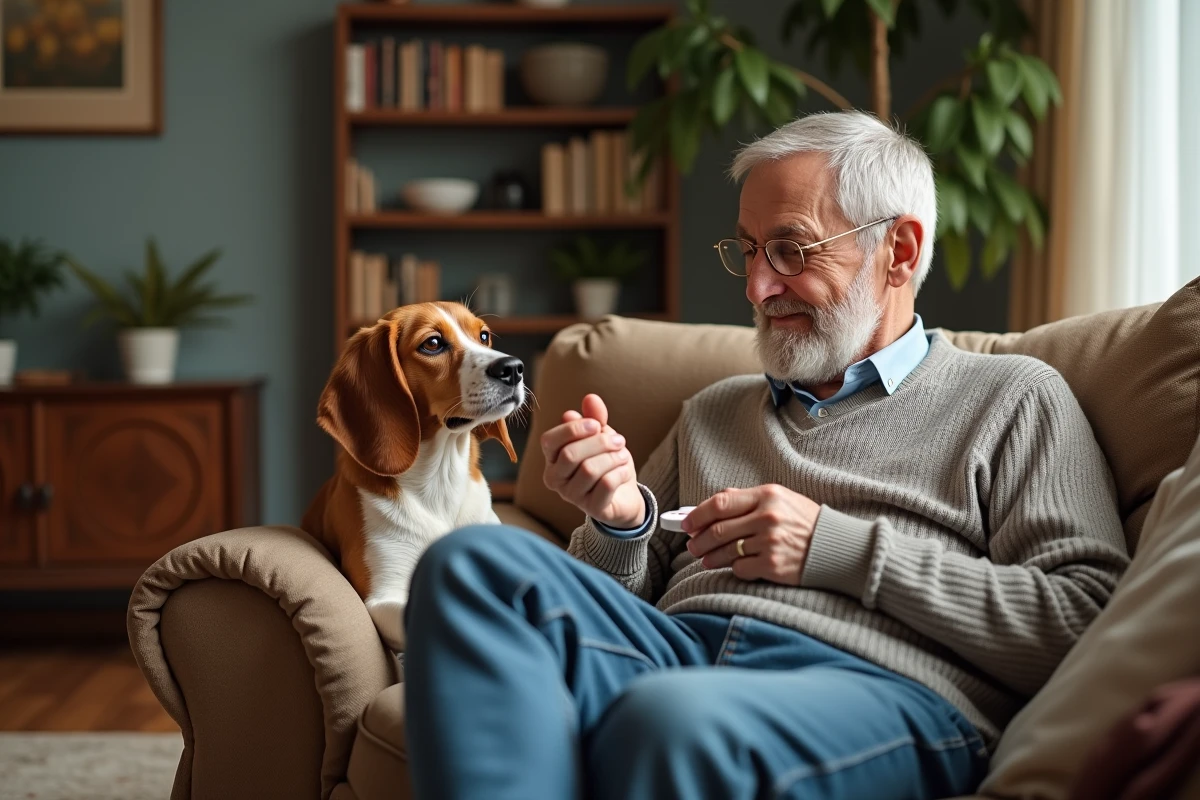
Gabapentin or other treatments: how to choose to relieve your dog’s pain?
When a dog shows signs of suffering, the choice of a treatment to relieve pain is never taken lightly. Gabapentin for dogs stands out for its ability to target neuropathic pain and certain chronic pains that are difficult to control, especially when the spinal cord or voltage-gated calcium channels are involved. But each case requires individualized consideration, far from one-size-fits-all solutions.
Veterinarians proceed step by step, assessing the origin of the pain, its intensity, and its persistence. The dosing is adjusted to the dog’s weight, the patient’s response, and sometimes the treatment is combined with other medications under close supervision. Drug interactions are never overlooked, especially in animals suffering from renal diseases or receiving multiple treatments simultaneously.
Points of caution and criteria for choosing treatment
In this perspective, certain criteria must guide the decision:
- Specify the diagnosis to choose the most appropriate molecule for the type of pain.
- Consider the medical history and the possible presence of renal insufficiency or other associated pathologies.
- Ensure close monitoring of the reaction to administration and adjust the dosing regimen as soon as necessary.
Gabapentin thus presents itself as an alternative for dogs for whom conventional treatments no longer provide relief. Its role, always defined by the veterinarian, fits into a holistic approach, where the quality of life of the animal, the frequency, and the tolerance to treatment remain the guiding principles of therapeutic choice. In the face of our companions’ pain, every decision counts: sometimes, a few milligrams adjustment makes all the difference in daily life.